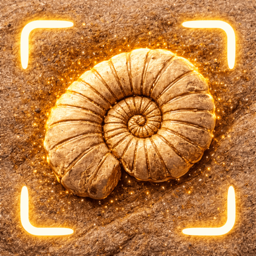
Whether you're a rockhound, a hiker with a heavy pocket, or a parent fielding "what's this one?" for the hundredth time, a rock identifier turns curiosity into an answer. Instead of thumbing through a field guide, you take a photo and get an instant, AI-powered identification — plus the geology behind it.
What is a rock identifier?
A rock identifier is a tool — usually an app — that recognises a rock from a photo. You point your camera at a specimen, and image-recognition models compare what they see against thousands of known rocks and minerals to return the most likely match. The best ones don't just name the rock; they explain how it formed, how old it is, and where it's typically found.
What the AI actually looks at
Colour is the least reliable clue, because the same rock can appear in many shades. A good rock identifier weighs far more:
- Texture and grain — is it coarse and crystalline, fine and smooth, or layered?
- Luster — dull, glassy, metallic or waxy?
- Structure — banding, layering, vesicles (gas holes) or visible crystals?
- Fracture and shape — how it breaks and weathers.
- Matrix and inclusions — spots, veins or embedded grains.
These are the same features a geologist reads with a hand lens — the app just does it from a photo in a couple of seconds.
How to identify a rock with the app
With Fossil Identifier & Rock ID the whole process is three taps:
Tap Identify. Take a fresh photo or upload one from your gallery.
Let it scan. The AI surveys the rock's texture, luster and structure and cross-references reference collections.
Read the result. You get the rock's name and type, plus its formation, geological range and typical locations — then save it to your collection.
Identify your rock now
Snap a photo and get a name in seconds — free on iPhone and iPad.
Download freeTips for an accurate identification
- Fill the frame. Get close so the rock is the main subject, not the background.
- Use even, natural light. Harsh shadows and glare hide texture.
- Clean off dirt. A quick rinse reveals the true colour and surface.
- Show a fresh surface. If the rock is weathered, photograph a chipped or broken face too.
- Try more than one angle. Different faces can reveal banding or crystals the AI needs.
Is my rock worth anything?
Most common rocks have more scientific than monetary value — but identification is the first step to knowing. Once you know whether you're holding quartz, agate, obsidian or an ordinary sedimentary pebble, you can judge rarity and interest. For gem-quality stones, see our gemstone identifier guide.
Rock, mineral, or fossil?
People often use "rock" for anything they pick up, but the app separates three things: a rock (a mix of minerals), a mineral (a single crystalline substance), and a fossil (preserved evidence of ancient life). If you're not sure which you've found, the app tells you — and our how to identify fossils guide explains the difference.
Frequently asked
Is the rock identifier free?
Yes. The app is free to download and try, rated 4+, and available in 33 languages.
Can it identify rocks by picture from my gallery?
Yes — you can snap a new photo or upload an existing one. See what rock is this for more on photo-based ID.